Bakhoor is Arabic incense - and it is one of the oldest, most beloved fragrance traditions in the world. If you have ever walked into an Arabic home, a Middle Eastern hotel lobby, or a Muslim household and been stopped by a deep, warm, smoky scent that felt like it belonged to the walls themselves, that was bakhoor.
In South Africa, bakhoor is becoming one of the most talked-about home fragrances - not just in Muslim communities where it has always been central to daily life, but among anyone who takes their home scent seriously.
What exactly is bakhoor?
Bakhoor is made from oud wood chips - the resinous heartwood of the agarwood tree - soaked in a blend of fragrant oils, resins and natural ingredients. When gently heated over charcoal or an electric burner, the wood releases a rich, complex fragrance that fills any space within minutes and lingers for hours.
Unlike candles, which burn a synthetic or wax-based fragrance, bakhoor produces a deeply natural scent. No two burns are exactly alike. The warmth of the charcoal, the amount of bakhoor used, the ventilation of the room - all of these influence the experience. It is a living fragrance, not a fixed one.
How is bakhoor different from incense sticks?
Incense sticks burn continuously and are difficult to control. Bakhoor is placed in small amounts onto hot charcoal or an electric plate, releasing fragrance slowly and allowing you to adjust the intensity by adding more or less. The scent profiles are also far more complex - bakhoor draws on oud, amber, musk, rose and proprietary blends that incense sticks rarely approach.
What does bakhoor smell like?
Bakhoor varies widely depending on the blend, but most quality bakhoor shares a warm, rich base of oud with layers of sweetness, spice and smoke. Common notes include:
- Deep, resinous oud
- Warm amber and musk
- Sweet rose or floral undertones
- Earthy, smoky depth
If you love Arabic perfumes - brands like Lattafa, Armaf, Reef or Gissah - you will recognise the oud heart immediately. Bakhoor is the original form of that scent, experienced in its most natural state.
How do you use bakhoor?
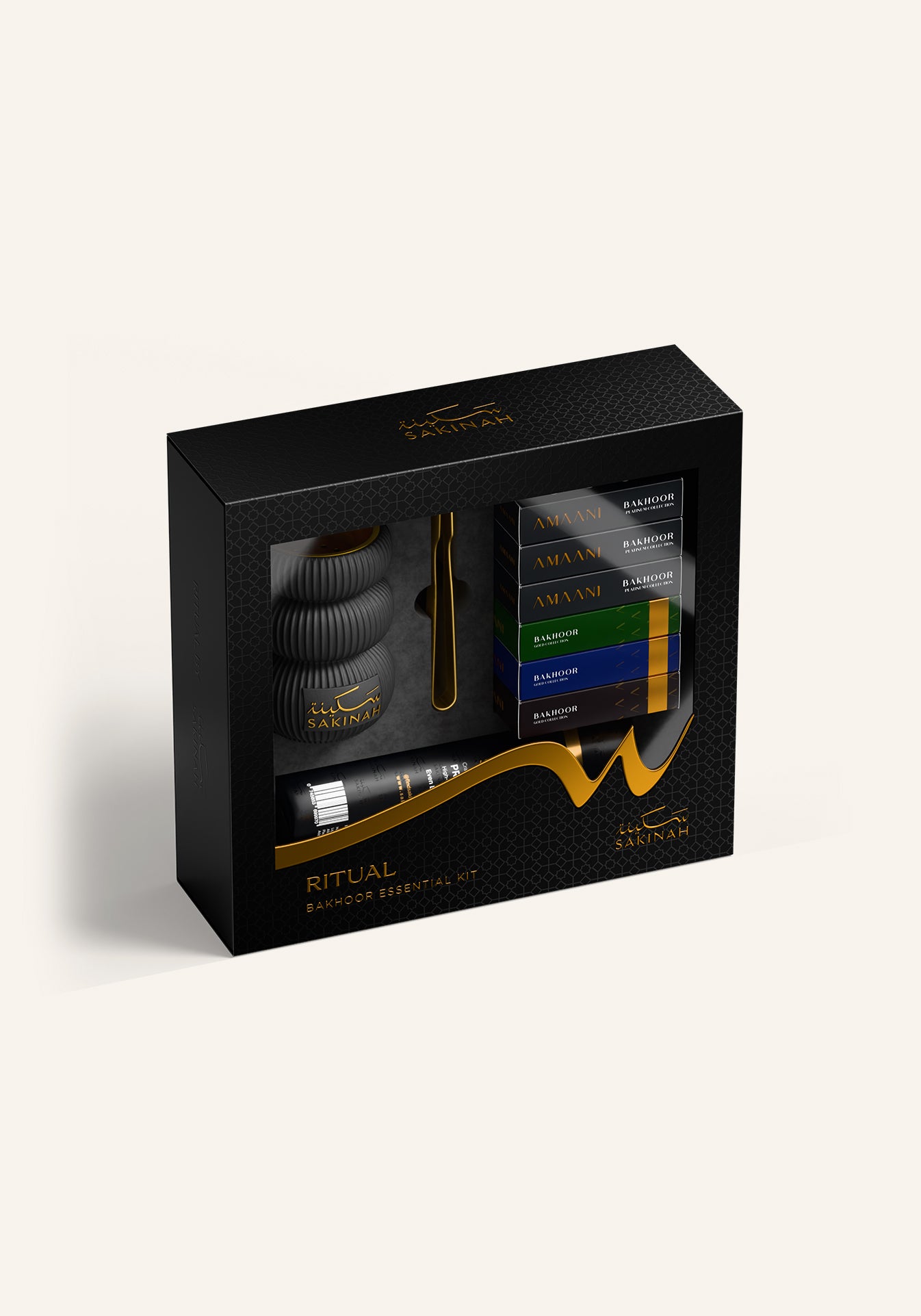
To burn bakhoor traditionally, you place a piece of quick-light charcoal in a bakhoor burner, light it until it glows, and place a few small pieces of bakhoor on top. The heat releases the fragrance gradually over 10-20 minutes. Electric bakhoor burners offer a flameless, charcoal-free alternative - simply place the bakhoor on the heated plate and let it do the work.
Bakhoor is used to fragrance the home before guests arrive, before salah, to scent clothing and hair, or simply as part of a daily ritual that makes a space feel intentional and alive.
Is bakhoor only for Muslims?
Bakhoor originates in Arabic and Islamic culture and holds deep significance in Muslim homes and traditions. But the fragrance itself is for anyone who appreciates deep, natural, warming scent. Fragrance collectors, interior designers and home fragrance enthusiasts across South Africa and the world are discovering bakhoor as a home scent experience that candles and diffusers simply cannot replicate.
Where do I start with bakhoor in South Africa?
Start with a complete bakhoor starter set - it includes everything you need from the first burn. Browse our full bakhoor collection to find the right entry point for you.